


;)
Let’s be honest – now that the rainy season is here, most of us are super relieved it’s not scorching hot anymore. We can finally open the windows, listen to the rain, and finally sleep without sweating through the sheets. It feels cozy. It feels clean.
But here’s the thing nobody really talks about: mold during the rainy season isn’t a maybe, it’s a when. And by the time you can see it or smell it, it may have already been living rent-free in your home for a while.
The wet season in the Philippines typically runs from June to November, bringing frequent heavy rainfall, typhoons, and most importantly – humidity. That last word is the key.
Being that we live in a tropical country, there’s always going to be that mix of heat, rain, and humidity that creates the perfect environment for mold to thrive. High humidity means the air holds a lot of moisture. Frequent rain means rainwater can seep into walls that aren’t properly waterproofed. And if you keep windows closed on rainy days, it ends up trapping that moisture right inside our homes.
So yes, the living room walls, the bathroom ceiling, the back of the sofa, the corner behind the refrigerator, all of that is basically a five-star resort for mold right now.
That’s actually the scary part.
Mold basically needs these four things to survive: somewhere damp, somewhere warm, somewhere dark, and something to feed on – and most Filipino homes check all four boxes during the rainy season.
Mold spores are essentially invisible to the naked eye. But when they gather together (and they do multiply fast), the collective growth can look like it appeared overnight. Once it takes hold, it releases allergens, irritants, and sometimes toxic substances known as mycotoxins.
When these particles are inhaled, they can cause a lot of health issues – particularly for those with allergies, asthma, or weakened immune systems. And with families spending more time indoors during bad weather, that exposure adds up fast.
Common signs of hidden mold in your home include:
Alright, enough of the scary stuff – let’s talk solutions. A few consistent habits and the right know-how can go a long way in fighting back against mold, especially when you start before the problem gets out of hand.
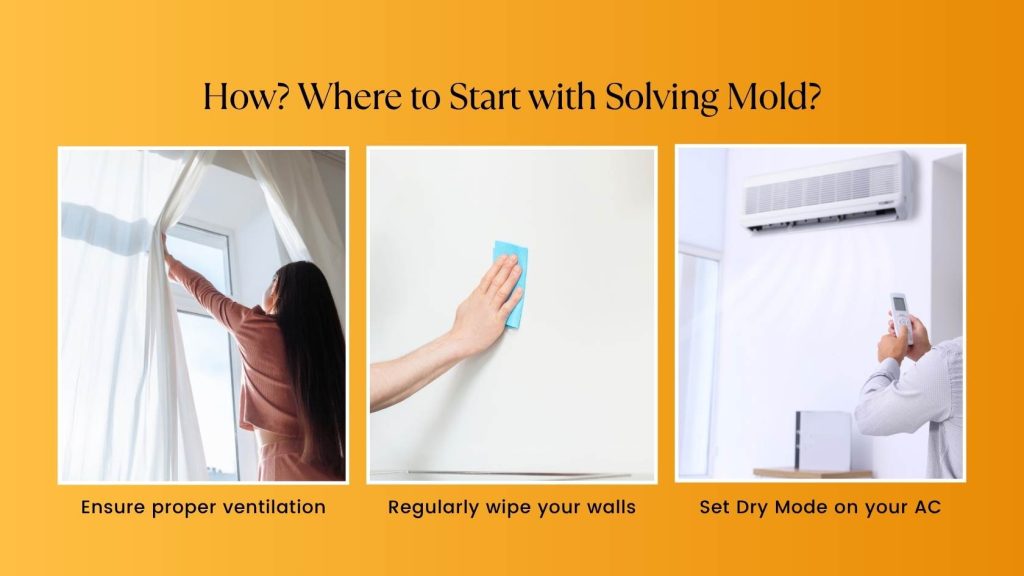
Here’s where to begin:
Get air moving in your home. Proper ventilation is your first defense against mold. Open windows and doors after rain showers to circulate fresh air and reduce humidity – this essentially starves the mold and keeps it from growing. Even cracking a window slightly when it’s not actively pouring helps a lot.
Target the usual suspects. Regularly inspect and wipe down areas like the wall behind furniture, the edges of windows and doors, and along kitchen and bathroom walls.These spots are particularly prone to mold growth because of increased humidity, heat, and moisture.
Control humidity where you can. High humidity levels foster mold growth, so homeowners must be especially careful during the rainy season.
Maintain ideal humidity levels by setting your air conditioner to “Dry mode”. Unlike cool mode which just drops the temperature, dry mode works by pulling excess moisture out of the air. Think of it as a built-in dehumidifier. It runs quieter, uses less electricity, and is specifically designed for exactly the kind of heavy, humid air that rainy season brings.
A few practical ways to do this without relying on an AC:
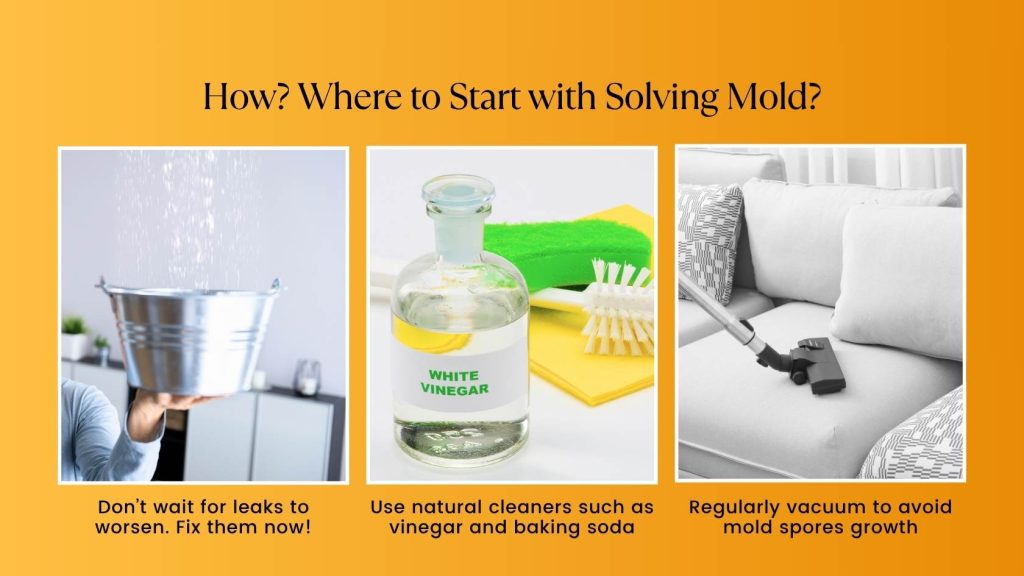
Fix leaks fast – seriously, don’t wait. A dripping faucet or a slow ceiling leak might seem minor, but left unchecked during the rainy season, it becomes a mold factory within weeks. Fix any leaks promptly and inspect your home regularly for signs of water damage before mold takes hold.
Use natural cleaners on visible spots. White vinegar sprayed directly on mold, left for an hour, then wiped clean is one of the most effective and budget-friendly solutions out there. Baking soda mixed with water works well on surfaces too.
For tougher spots on non-porous surfaces, a diluted bleach solution can eliminate mold – just make sure the area is well-ventilated when you use it.
Don’t forget your fabrics. Sofas, curtains, mattresses, and rugs hold moisture like sponges. During the rainy season, these become prime breeding grounds for mold and dust mites. Sun them out whenever you get a clear day, and vacuum them regularly to stop spores from settling in.
These DIY methods work well for small, surface-level mold spots. But if the growth keeps coming back or covers a large area, that’s usually a sign of a deeper moisture problem that needs professional attention.
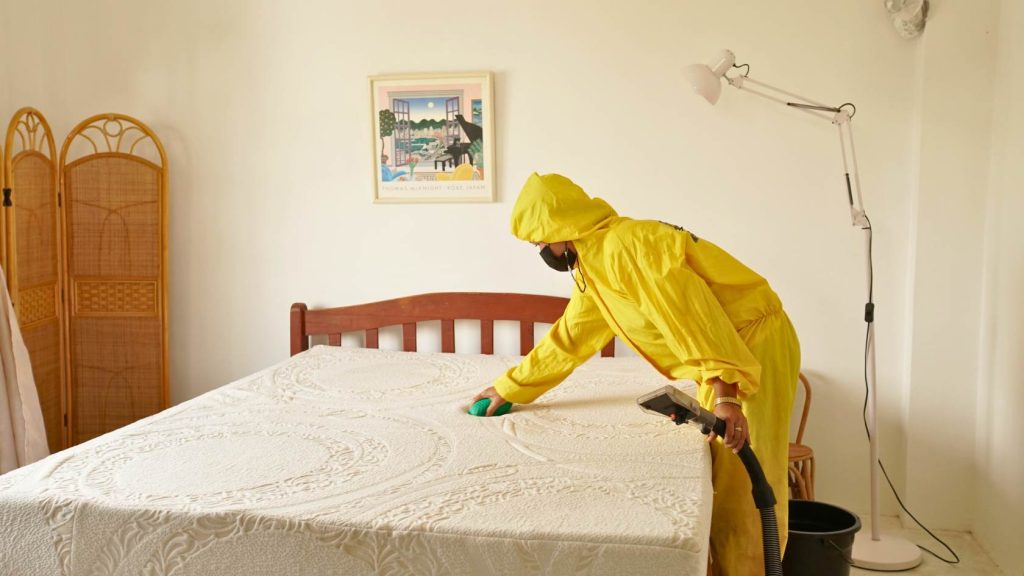
The tips above are already a solid foundation, and if you’ve been keeping up with them, you’re already in good shape. But there’s no shame in admitting that some battles are better fought with some backup. There’s a big difference between maintaining a clean home and actually dealing with a mold problem that’s already taken root.
This is where hiring a professional cleaning service stops being a luxury and starts being a smart investment. Cleaning professionals come equipped with the right tools, the right solutions, and most importantly – the trained eye to spot pesky mold in places you wouldn’t think to look.
And yes, expertise does matter here. Mold isn’t really something you really want to half-treat. Improper cleaning can actually disturb mold spores and spread them to other parts of your home, making things worse. A trained cleaning professional knows how to contain it, eliminate it, and treat the area so it’s less likely to come back – especially in a climate like ours where the conditions for regrowth are pretty much constant.
That’s exactly what we at Busy Bee Cleaning Co. bring to the table. We offer professional home cleaning services in the Philippines with expertise in mold-affected areas – so your home stays safe, fresh, and healthy all season long.
📞 Give us a call at +63 971 748 158
💬 Message us on social
📅 Or book online at www.bbcleaningco.com anytime.
Someone in your group chat needs to read this. Hit share if you found this blog helpful! 🐝
View this post on Instagram